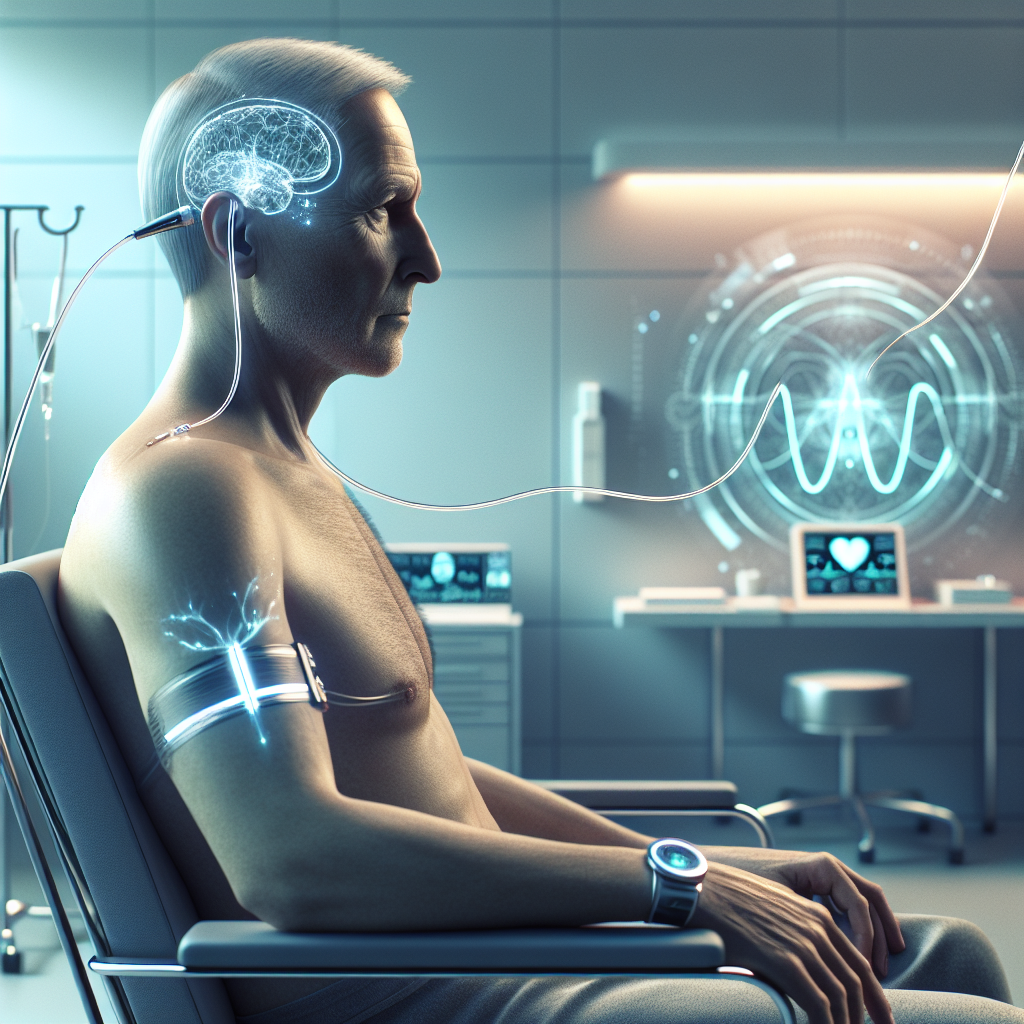
 Hoe blijven we de AI's de baas? Ik denk dat het de verkeerde vraag is en dat het antwoord op de juiste vraag ons beschaafder achterlaat.
Een tikfout van vóór mijn geboorte
Sommige lezers kennen mij misschien nog: de toen al half dove practice manager bij Capgemini, in de decennia rond de eeuwwisseling. Ik heb al sinds de jaren '80, onder andere aangedreven door Volmac Vleermuis, kunstmatige intelligentie hoog op mijn aandachtslijstje staan. Ik geniet nu iedere dag van een nieuw versie, nieuwe ideeën of vaak gewoon van het waarmaken wat er al jaren geleden is bedacht, wellicht in een ander jasje.
Mijn doofheid wordt veroorzaakt door DFNA9. Eén fout in één gen, het COCH-gen, dominant overerfelijk. Het werkt langzaam en onverbiddelijk: eerst de hoge tonen, dan de rest en onderweg neemt het ook je evenwichtsorgaan mee. Geen ongeluk, geen pech onderweg. Gewoon een tikfout die al in mij zat op de dag dat ik geboren werd.
Ik begin daarmee omdat ik de vraag "Hoe blijven we de AI's de baas?" daardoor anders hoor dan de meeste mensen en dat mag je gerust letterlijk nemen. Want precies de technologieën waar we blijkbaar bang voor zijn, is wat me mijn gesprekken teruggeeft. Live ondertiteling die met een halve seconde vertraging meeloopt was tien jaar geleden een dure menselijke schrijftolk. Nu is het software op mijn phone en AI-server thuis of in de cloud. Ik had ook kunnen kiezen voor de "robot-variant", een cochlear implant direct aangesloten op je gehoorzenuw. Ik vond het destijds nog niet goed genoeg. En de techniek die de genetische fout zélf kan repareren, CRISPR/Cas9, bestaat ook al. Ze is alleen in dit geval ook nog niet goed genoeg en beschikbaar voor mij en mijn familie.
Voor mij behoren deze 3 technologieën tot dezelfde familie: het zijn de technologieën die ons als biologisch wezen verder kunnen brengen dan de evolutie dat tot nu toe heeft gedaan: beter, robuuster, intelligenter. We zijn er wel blijkbaar bang voor.
Ik ben juist niet bang dat het te hard gaat. Ik vind dat het veel te langzaam gaat.
You already have a private test for whether a machine is truly intelligent. You may not be able to state it, but you will know the instant a machine passes it, because at that moment you will quietly decide that the test was never the real one. This is not a flaw in your reasoning. It is one of the most human things about you, and it is the reason artificial general intelligence may be the first revolution in history that people refuse to notice while standing directly inside it.
Last year we argued that the true obstacle to AGI had stopped being technical and become philosophical. Every advance follows the same small ceremony. A machine does something we said required intelligence, and within weeks that something is demoted. Chess was reduced to brute-force calculation, language to statistics, Go to optimization, scientific discovery to pattern matching. The programs kept improving. What kept changing was us. The technology barely moved overnight. We changed the definition.
One of the more uncomfortable conclusions from HuddleWorld’s first year is that ordinary news seems to have very little value. News is a commodity. That may sound absurd at first. We live in an age in which billions of people consume news every day. They scroll headlines in the morning, check updates on their phones during lunch, watch breaking news at night and argue about politics, scandals, wars, celebrities, disasters and crises in between.
And yet most people do not want to pay for news.
That is the contradiction. People are addicted to news, but they do not value it enough to fund it directly. They want it constantly, instantly and everywhere, but preferably for free. The result is a broken system in which news is consumed like air but paid for like rubbish.