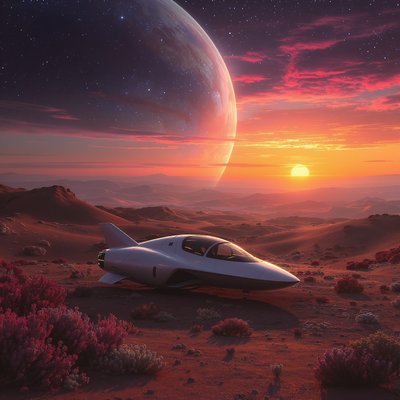
For more than a century, the human imagination has treated space as the next frontier. First the Moon, then Mars, then the outer planets, then other stars. Science fiction has made it feel almost inevitable: a successful intelligent species spreads outward. It builds colonies, harvests asteroids, terraforms planets, constructs giant habitats and eventually turns the galaxy into a human domain.
But perhaps that assumption says more about our biological past than about our intelligent future.
The usual story is simple: life wants to survive, survival requires growth, growth eventually requires expansion, and expansion eventually leads to the stars. In that view, a civilization that does not spread is either doomed, lazy or technologically limited. The galaxy becomes a test of ambition. The winners colonize. The losers stay home.
Read more: What if mankind’s next great step is not expansion, but restraint?
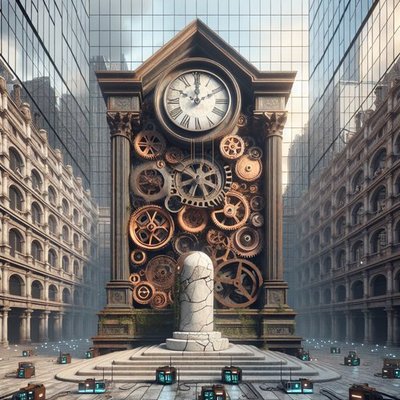
With the return of Donald Trump to the global stage, something many would rather avoid has once again become impossible to ignore: the democratic system as we have designed it no longer functions. Not occasionally. Not temporarily. Structurally.
This is not an argument against democracy as an ideal. On the contrary. Democracy remains the least bad system of governance we know. But it is precisely this insight that makes the current situation so dangerous: we cling to forms that once worked, but have since turned into obstacles to effective governance in a fundamentally changed world.
We no longer live in the nineteenth century. Yet we continue to govern as if we do.